Location, Licensing, and Lifestyle: Picking the Right Memory Care Home
Business Name: BeeHive Homes of Plainview
Address: 1435 Lometa Dr, Plainview, TX 79072
Phone: (806) 452-5883
BeeHive Homes of Plainview
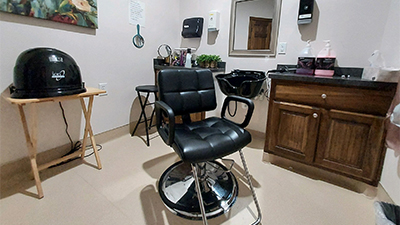
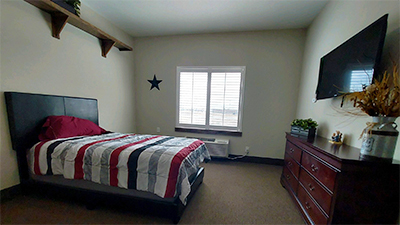
Beehive Homes of Plainview assisted living care is ideal for those who value their independence but require help with some of the activities of daily living. Residents enjoy 24-hour support, private bedrooms with baths, medication monitoring, home-cooked meals, housekeeping and laundry services, social activities and outings, and daily physical and mental exercise opportunities. Beehive Homes memory care services accommodates the growing number of seniors affected by memory loss and dementia. Beehive Homes offers respite (short-term) care for your loved one should the need arise. Whether help is needed after a surgery or illness, for vacation coverage, or just a break from the routine, respite care provides you peace of mind for any length of stay.
1435 Lometa Dr, Plainview, TX 79072
Business Hours
Families hardly ever prepare for memory care in a neat, leisurely arc. More often, a fall or a wandering episode pushes the concern to the front burner, and you are asked to make a major, life-shaping decision on short notice. I have sat at cooking area tables with boys and children holding printed sales brochures in one hand and a healthcare facility discharge summary in the other, attempting to weigh compromises that do not fit easily in a spreadsheet. The right choice blends clinical capability, a safe and comforting environment, and a rhythm of every day life that matches what your loved one can still delight in. Where the community sits on a map, how it is accredited, and what everyday looks like, all 3 matter more than the shiny pictures suggest.
What memory care truly provides
Memory care is not a single item. It is an approach to senior care that covers housing, helpful services, and dementia care practices into one program. You will see it provided in different settings. Some are devoted memory care houses within assisted living neighborhoods, separated by secured doors. Others are stand-alone buildings that serve only residents with Alzheimer's illness or related dementias. A smaller sized piece exists within nursing homes for people with significant medical needs.
What specifies memory care is the combination of safety features for people at danger of wandering, staff trained in dementia-specific communication and behavior assistance, and an everyday structure that satisfies cognitive requirements. Standard assisted living can assist with medications and bathing, however memory care expects distress, misperceptions, and variation in function over the course of a day. Great programs do not battle those realities, they deal with them.
Short-stay choices exist too. Respite care offers a supplied room, full services, and activities for a defined duration, often 7 to 30 days. It can give a caregiver time to recover after surgery, cover an organization journey, or test whether a particular neighborhood is a fit before an irreversible relocation. Well-run respite care follows the same dementia care regimens as long-lasting stays, which means the trial is a real representation.
The case for picking on place, not just curb appeal
Location sets the context for whatever else. It affects staffing stability, how typically family can visit, healthcare facility relationships, and even how residents sleep.
Think initially about distance to the individual's present social life. Familiar faces matter. If the grandkids can stop by after soccer due to the fact that the community is on their route home, visits take place. The difference in between a 15 minute drive and an hour each way shows up in genuine presence, not objective. A resident who sees family weekly tends to maintain much better hunger and engagement, particularly throughout the vulnerable very first 60 days after a move.
Proximity to healthcare is more nuanced. A neighborhood within 10 to 15 minutes of a healthcare facility with a solid geriatric system typically benefits from smoother discharges and access to specialized clinics. If your loved one has insulin-dependent diabetes, injuries that require routine attention, or a heart device, ask which close-by companies the community in fact utilizes and how transport is set up. I have worked with a household who selected a neighborhood further from home since it sat next to a wound care center. That choice avoided three emergency situation department trips in one winter.
Do not ignore environment and light. Individuals living with dementia can be sensitive to abrupt seasonal changes and early evening darkness. A safe yard with real trees and a strolling loop gets utilized more days of the year in temperate areas, however even in snow nation, a sunroom or indoor garden can stabilize sleep-wake cycles. If sundowning has actually been intense, neighborhoods that stress daytime light exposure and afternoon peaceful zones usually see less evening outbursts.
Transportation patterns likewise matter. If the community is near a busy truck route or a station house, overnight sirens can surge stress and anxiety. Visit around 9 pm and listen. On the other hand, a website tucked behind a church or library tends to feel calmer and has integrated places for intergenerational programs and faith services.
Understanding licensing, without the alphabet soup headache
Licensing tells you who oversees the community and what minimum standards use. Memory care inside assisted living is controlled by states, not the federal government. Nursing homes are regulated under federal Centers for Medicare and Medicaid Solutions rules, with state enforcement. The titles differ. What you require to extract is whether the license allows dementia care, and what training, staffing, and security requirements that implies.
In California, for instance, assisted living is called Residential Care Facilities for the Elderly. A neighborhood that promotes dementia care need to keep a written plan, ensure protected borders or equivalent precaution, and supply dementia-specific training beyond the base requirement. In Texas, particular assisted living facilities hold a Type B license, and those offering Alzheimer's certification show additional staff training and ecological safeguards. Florida layers optional licenses like Extended Congregate Care or Limited Nursing Providers on top of basic assisted living, indicating whether higher medical requirements can be fulfilled. New york city recognizes Assisted Living Houses and an Unique Needs Assisted Living Home classification for dementia care systems, with rules about egress security and programming.
Numbers vary, but a common pattern is an initial 8 to 12 hours of dementia training for frontline personnel, plus yearly refreshers. Some states need a nurse on site for a set number of hours weekly, others rely on consultants. Fire codes usually require complete building sprinklers, delayed-egress doors, and staff drills.
Here is the useful move. Ask the administrator to discuss their license classification in plain language and to produce the most recent study report. Read it. Not every deficiency is damning. A missing signature on a refrigerator temperature level log is various from a pattern of medication errors. In one file I evaluated, the state mentioned the community for stopping working to update care plans after falls. That informed us the analytical procedure was weak, and the household picked a different provider.
Staffing, abilities, and connection after 3 am
Hallways look the same at lunch as they do on a tour. They do not at 3 am. Nurses and assistants make or break memory care due to the fact that symptoms do not keep banker's hours.
Look for 24-hour awake personnel, not sleep-over protection. Many memory care programs post ratios like one assistant for every six to eight residents throughout the day, and one for every 8 to ten over night, in some cases with a medication specialist on top. Ratios by themselves do not guarantee quality. What matters is the pairing of those numbers with a system's physical design and the skill of citizens. A compact 20-bed system with sightlines and constant residents may run securely with leaner staffing than a split-level 30-bed unit with regular elopement attempts.
Ask about nurse protection. Some communities have a licensed nurse on website twelve hours a day and on call overnight. Others have a nurse only during business week. If your loved one has complex meds, oxygen, catheters, or frequent UTIs, you desire daily nurse presence and strong drug store assistance. Excellent teams have escalation protocols, for instance, calling the on-call nurse to evaluate brand-new agitation for discomfort or infection before shipping somebody to the hospital.
Staff durability tells another reality. If the life enrichment director has actually been there 7 years and the lead assistant on nights knows the citizens by first name and preferred snack, little crises liquify before they end up being big ones. I still keep in mind Marian, a night aide who kept a set of soft scarves in her pocket. A resident who tried to go "home" every night soothed when Marian looped a headscarf gently over her hands and strolled with her, discussing the resident's old porch swing. That is not in a policy book. It remains in the people you work with and keep.
Safety by design, not by restraint
Safety in memory care need to feel unnoticeable however present. Door alarms that chirp discretely, not sirens that startle everybody. Postponed egress units with keypads, plus wander management systems that match to discreet wrist tags if a resident is at high danger. Floor covering changes that signal room entries without developing visual cliffs. Protected yards that welcome strolling in circles, a natural human habits when nervous. Grab bars and good lighting are a provided. Try to find restroom layouts large enough for 2 individuals to assist, due to the fact that bathing is where numerous citizens resist help.
Chemical restraint is not safety. Before anybody reaches for antipsychotics, the team must ask what require the habits is communicating. Is the individual cold, hungry, in discomfort, overstimulated, or bored. Nonpharmacologic methods come first, then mindful medication use if dangers exceed benefits. A provider who can discuss their viewpoint in plain words is a much better bet than one who merely points to a physician's order.
What daily life need to really feel like
Lifestyle is the underestimated 3rd leg of this stool. A resident's day should start with something that grounds them in personhood. It might be folding towels side by side with a team member, watering plants, or listening to a preferred huge band record. Programs rooted in Montessori for dementia methods, which break jobs into simple actions and offer purposeful functions, frequently unlock abilities others assume are gone.
Activity calendars can mislead. Fancy printing does not guarantee participation or fit. Stand in the space throughout an activity. Are five to ten citizens engaged, or are 2 individuals engaged while others oversleep wheelchairs against the wall. Enjoy a meal. Finger foods like soft chicken strips or vegetable sticks assist those who can not manage utensils. Personnel needs to provide hand-under-hand support for those who need it, positioning their hand under the resident's forearm and moving in sync, which maintains dignity and often enhances intake.
Noise levels matter. Some locals long for a lively environment, others decipher in it. A neighborhood that can flex - checking out circle in a peaceful corner, chair yoga before lunch to handle restlessness, music with a foreseeable beat instead of the tv blaring - will keep more people content. Look for areas beyond the dining-room where small groups can gather. A multisensory space with manageable light and fragrance can be magic throughout late afternoon agitation. You do not require a brand to do this well. You need objective and a staff who understands who chooses lavender and who dislikes it.
Spiritual life can be as simple as a weekly hymn sing or a peaceful time with a volunteer from the resident's faith tradition. Cultural fit shows up on plates and calendars. If someone kept kosher or avoided pork out of practice more than teaching, that ought to be respected. If Spanish is the mother tongue, exist bilingual personnel on every shift, not simply as soon as a week.
Costs and contracts without regret
Memory care costs have a range, but you can expect a month-to-month base lease between approximately 4,500 and 9,000 dollars in lots of metro locations, with greater tiers in coastal cities and lower in villages. A lot of neighborhoods use a tiered level-of-care design. Level one covers light help, level three or 4 covers more hands-on help, and costs step up as needs increase. Medication management is frequently a memory care near me different charge per med or per pass. Incontinence supplies might be pass-through expenses. Transport to regular visits might be consisted of as soon as a week, with private trips billed extra.
Watch for neighborhood charges at move-in, frequently equal to half to one month's lease. Ask whether respite care days can be credited toward the cost if you later on transform to an irreversible positioning. Clarify whether rates are locked for a duration or subject to yearly increases, and by how much. Good agreements spell this out in plain English.

Read discharge requirements. Neighborhoods must describe when they can no longer securely serve someone. Bed or chair-bound status, overall dependence for transfers without ceiling lifts, or two-person assists may trigger a transfer to a nursing home level of care in some states. Other neighborhoods hold Extended Congregate Care or similar recommendations and can continue with hospice partners. Knowing the line ahead of time prevents surprise moves at 2 am.
How to assess quality throughout a tour
Brochures do not sweat. People do. The very best sense of quality comes from seeing normal days and typical problems managed well. Come by unannounced if allowed, preferably at various times. Morning shows how personal care is delivered. Late afternoons reveal how they manage the witching hour. Meal times discover cues about regard and patience.
Use brief, targeted questions and after that enjoy the flooring, not the salesperson's face. After a few hundred trips, I keep coming back to a little set.
- When a resident refuses a bath for 3 days, what is your method and who gets included next.
- How numerous locals have actually left in the past 6 months because you could not meet their needs.
- On a normal night, how many staff are on the memory care unit and who is the medical decision-maker if something changes.
- What is your procedure for care plan updates after a fall or hospitalization, and how do families participate.
- If my parent requires hospice, which firms do you partner with and how do you coordinate.
Expect clear responses. If a supervisor dismisses the bath question with "We never ever have that issue," they may not be seeing what happens behind the closed door. A candid reply may seem like this. "We try a various employee, switch the time of day, offer a warm towel, or recommend a sponge bath. If it continues, our nurse and family talk and we change the care plan."
The function of respite care and trial stays
Families typically think twice to use respite care due to the fact that it seems like admitting defeat. Frame it differently. Respite is a threat reducer. It can expose whether the environment silences or irritates particular habits. It offers the neighborhood a possibility to discover who your loved one is beyond a medical diagnosis. 2 weeks is usually the minimum that produces a fair read, since the very first 3 days are odd for nearly everyone.
During a respite stay, ask the group to check real-world scenarios. Attempt a shower on the day and time your parent usually endures. Observe at dinner and breakfast. If your loved one wanders, see how personnel redirect. Great neighborhoods write these observations down and hand you a copy at the end, that makes next steps more confident.
Legal preparedness that avoids preventable stress
Moving into memory care brings documents. Tackle it early. Durable power of attorney and health care proxy documents must be existing and available. If your state uses a Doctor Orders for Life-Sustaining Treatment kind, complete it with the medical care provider and the future neighborhood nurse before the move. Bring a list of present medications with doses and times. If your loved one uses hearing aids or glasses, identify them and bring extra batteries or a backup pair.
Move-in assessments are required in most states, with a re-evaluation within 1 month. Be sincere in those meetings. Households often underreport requires out of pride or worry of higher fees. That backfires. If a resident enters upon the wrong level of care, both the team and the resident struggle. Much better to put correctly on day one and change down if feasible.
When home is still possible, and when it is not
Not every person with dementia needs memory care today. Adult day programs, at home aides with dementia training, and respite care sprayed in can keep someone steady at home for months or years. The tipping points I see are night safety, medication management, and social isolation. If a person is up and out the door at 3 am, or can not securely take vital medications, the threats in the house intensify quickly. Two hospitalizations in a quarter for falls or infections generally forecast a rough stretch ahead.
There are also favorable factors to move earlier. Some residents love predictable peer contact and structured days. The myth that everybody decreases much faster in memory care does not hold across the board. I have seen homeowners eat better, sleep better, and laugh more when the best group surrounds them.
Red flags that must slow you down
Certain signs in a tour should trigger more concerns. If a community guarantees they can handle "any habits" with no information about how, beware. If you never see a RN in the course of two visits, ask about clinical oversight. If the memory care system smells consistently of urine, that is usually a staffing or training problem, not simply a momentary bad day. If personnel discuss residents within earshot as if they are not there, keep looking. Your loved one's self-respect depends on those micro-moments.
On the other hand, little good indications add up. A shadow box outside each space with mementos that matter. The cook stepping out to ask a resident if they desire more peaches. A white boards on the wall noting that Mr. H likes coffee black and Thelonious Monk on vinyl. These are not gimmicks, they are proof that the team pays attention.
A simple shortlist to keep focus when choices feel overwhelming
- Can household realistically visit typically sufficient to matter, given distance and traffic.
- Does the license cover dementia care with particular training and safety requirements, and do study reports line up with what you are told.
- Are there awake staff overnight with clear clinical backup, and can they meet known medical needs.
- Does life feel calm, purposeful, and customized to your loved one's preferences, not simply a calendar loaded with events.
- Are costs transparent, consisting of levels of care, most likely annual boosts, and criteria for when a greater level or a relocation is required.
Print that and keep it in the folder. It anchors discussions when glossy functions try to distract.
Preparing for moving day and the first month
Success trips on the first thirty days. Pack the familiar, not simply the practical. A preferred quilt, framed pictures, a well-worn cardigan, the same brand name of soap from home. Label whatever. Coordinate move-in early in the day so there is time to settle in the past supper. If your loved one does much better with fewer people, limit the welcome committee. If they long for peace of mind, phase visits throughout the very first week so somebody they understand exists every afternoon.
Share a one-page life story with staff. Include labels, past work, regimens, what calms, and what upsets. Keep in mind allergic reactions and what a common bad day looks like. I as soon as worked with a family who composed, "If Dad requests for his cars and truck secrets, provide his baseball cap and suggest a walk to the garage. He will speak about the old Chevy and forget the errand." That line conserved numerous tense moments.
Stay present however provide the group space to construct rapport. Daily check-ins can be brief and warm. Anticipate some uncertain behavior in the first 10 days. If it continues or escalates, request a care strategy conference and include specifics, not just "She is not herself." Describe times of day, activates you have actually observed, and what used to work at home.
The long view
Choosing a memory care home is hardly ever about finding the fanciest building or the most affordable rate. It has to do with weaving together location that supports connection, licensing that indicates genuine capability, and a daily lifestyle that protects the individual you like. The choice is technical and human at once. When those threads align, little dignities return. Meals are shared without rush. Nights are quieter. A resident hums to a tune they danced to in 1964. Families breathe again, not due to the fact that dementia became simple, however due to the fact that the environment started doing a few of the work.
If you take nothing else from this, take the self-confidence to ask really particular concerns, visit at off hours, and notice the fabric of daily life. Memory care done well is not a mishap. It is a set of choices about place, standards, and how people spend their hours. Your option can set the phase for the very best possible version of the next chapter.
BeeHive Homes of Plainview provides assisted living care
BeeHive Homes of Plainview provides memory care services
BeeHive Homes of Plainview provides respite care services
BeeHive Homes of Plainview supports assistance with bathing and grooming
BeeHive Homes of Plainview offers private bedrooms with private bathrooms
BeeHive Homes of Plainview provides medication monitoring and documentation
BeeHive Homes of Plainview serves dietitian-approved meals
BeeHive Homes of Plainview provides housekeeping services
BeeHive Homes of Plainview provides laundry services
BeeHive Homes of Plainview offers community dining and social engagement activities
BeeHive Homes of Plainview features life enrichment activities
BeeHive Homes of Plainview supports personal care assistance during meals and daily routines
BeeHive Homes of Plainview promotes frequent physical and mental exercise opportunities
BeeHive Homes of Plainview provides a home-like residential environment
BeeHive Homes of Plainview creates customized care plans as residents’ needs change
BeeHive Homes of Plainview assesses individual resident care needs
BeeHive Homes of Plainview accepts private pay and long-term care insurance
BeeHive Homes of Plainview assists qualified veterans with Aid and Attendance benefits
BeeHive Homes of Plainview encourages meaningful resident-to-staff relationships
BeeHive Homes of Plainview delivers compassionate, attentive senior care focused on dignity and comfort
BeeHive Homes of Plainview has a phone number of (806) 452-5883
BeeHive Homes of Plainview has an address of 1435 Lometa Dr, Plainview, TX 79072
BeeHive Homes of Plainview has a website https://beehivehomes.com/locations/plainview/
BeeHive Homes of Plainview has Google Maps listing https://maps.app.goo.gl/UibVhBNmSuAjkgst5
BeeHive Homes of Plainview has Facebook page https://www.facebook.com/BeeHivePV
BeeHive Homes of Plainview has an YouTube page https://www.youtube.com/@WelcomeHomeBeeHiveHomes
BeeHive Homes of Plainview won Top Assisted Living Homes 2025
BeeHive Homes of Plainview earned Best Customer Service Award 2024
BeeHive Homes of Plainview placed 1st for Senior Living Communities 2025
People Also Ask about BeeHive Homes of Plainview
What is BeeHive Homes of Plainview Living monthly room rate?
The rate depends on the level of care that is needed. We do an initial evaluation for each potential resident to determine the level of care needed. The monthly rate is based on this evaluation. There are no hidden costs or fees
Can residents stay in BeeHive Homes until the end of their life?
Usually yes. There are exceptions, such as when there are safety issues with the resident, or they need 24 hour skilled nursing services
Do we have a nurse on staff?
No, but each BeeHive Home has a consulting Nurse available 24 – 7. if nursing services are needed, a doctor can order home health to come into the home
What are BeeHive Homes’ visiting hours?
Visiting hours are adjusted to accommodate the families and the resident’s needs… just not too early or too late
Do we have couple’s rooms available?
Yes, each home has rooms designed to accommodate couples. Please ask about the availability of these rooms
Where is BeeHive Homes of Plainview located?
BeeHive Homes of Plainview is conveniently located at 1435 Lometa Dr, Plainview, TX 79072. You can easily find directions on Google Maps or call at (806) 452-5883 Monday through Sunday 9:00am to 5:00pm
How can I contact BeeHive Homes of Plainview?
You can contact BeeHive Homes of Plainview by phone at: (806) 452-5883, visit their website at https://beehivehomes.com/locations/plainview/, or connect on social media via Facebook or YouTube
Residents may take a trip to the The Museum of the Llano Estacado . The Museum of the Llano Estacado offers regional history exhibits that create an engaging yet manageable outing for assisted living, memory care, senior care, elderly care, and respite care residents.